The Apple: Between Folklore and the Home Apothecary
The symbolism of the apple in folk tradition and fairy tales, and its use in traditional home remedies and modern nutrition.

Autumn is the season when apples ripen in orchards. Our ancestors saw them as much more than fruit – they were a symbol of life, abundance, health, strength and the wisdom that nature offers us. Apples were also associated with the afterlife and immortality.
The apple tree and its fruit played an important role in the wedding customs of many Slavic peoples. In Serbia, an apple wrapped with a red ribbon signalled that a young woman was ready for marriage, while in Croatia an apple without a red ribbon symbolised an unmarried girl.
In Slovenia, too, apples were associated with wishes for health, happiness and abundance. They were used in customs intended to ensure a fertile year. Before Christmas and New Year, people also washed their faces with water in which apples had been soaked, believing it would bring good health.
Fairy Tales and the Healing Power of Nature
The connection between fairy tales and medicinal plants runs deep in Slovenian cultural heritage. It is rooted in the belief that nature is not merely a source of food, but also a realm of hidden forces, wisdom and healing power. In fairy tales, plants are often more than part of the landscape – they play a key role, setting events in motion, saving lives, or offering the key to healing a seemingly incurable king, princess or weakened hero.
One of the lovelier tales of this kind is The Healing Apple, in which a magical fruit restores an ageing king to health.
A shortened version of the fairy tale
Once there was an ageing king who became gravely ill. Although the finest physicians treated him, none could help him. One day, a mysterious beggar came to see him and revealed that only a magical healing apple could cure him. The king sent his three sons out to find it.
On their journey, all three brothers met the beggar. The two older sons were arrogant and sent him away unkindly, while the youngest immediately offered him bread and help. In gratitude, the beggar showed him the way to an enchanted garden and warned him to leave as soon as he had picked the apple.
When the two older brothers found the apple, they were overcome by the garden's beauty and by greed. They ignored the warning, and the beggar turned them into black ravens. The youngest brother, however, remembered his sick father, resisted the temptation and hurried home with the apple. After eating it, the king recovered, and the youngest son used a magical branch to save his brothers as well.

The fairy tale has a happy ending, but its real message reaches far beyond the story itself.
What Does the Fairy Tale Tell Us?
The story of the magical apple is more than a beautiful folk tale. Like many old stories, it carries a deeper symbolism. Our ancestors believed that nature was not only a source of food, but also of health, wisdom and vital force.
The fairy tale also teaches us about important human values. The healing apple does not go to the one who wants to seize it quickly or for selfish reasons. It is found by the youngest son, who shows respect, kindness and a willingness to help another person.
Health, then, is connected not only to what we consume, but also to how we live and to the relationships we have with other people and with nature.
Perhaps this is why old folk tales can still speak to us today. They remind us that nature has always been one of our greatest allies, and that wisdom is often hidden in the simple things right in front of us.
The Apple: From the Home Apothecary to Modern Science
Our ancestors valued apples not only as food, but also as a fruit believed to support health and vitality. They believed that eating apples regularly and in the right way benefited the body’s metabolism and detoxification, helped cleanse the blood, and could improve certain skin conditions.
Apples were used mainly to support digestion – for constipation as well as milder digestive problems and diarrhoea. Apple cider vinegar was also a popular home remedy, traditionally used to strengthen the body and support general well-being.
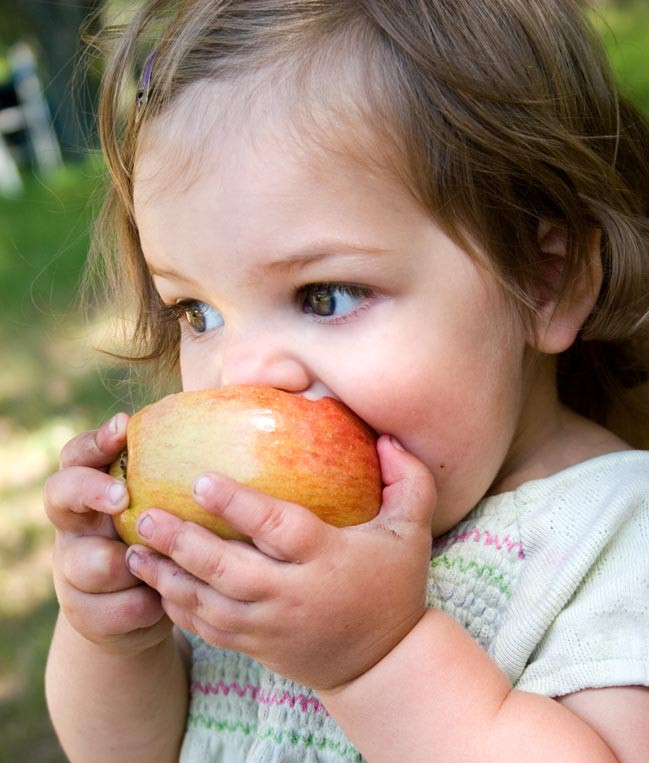
Today, numerous studies suggest that regular apple consumption is associated with a lower risk of certain cardiovascular diseases, may benefit metabolism and weight management, and can be an important part of a balanced diet.
Apples provide vitamins and minerals. They contain vitamin C, B vitamins and minerals including potassium, magnesium and iron.
Their dietary fibre is particularly valuable. Cellulose supports digestion and contributes to gut health, while pectin can help regulate cholesterol levels and support cardiovascular health.
Apples also contain antioxidants that help protect cells from oxidative stress and support overall health.
An apple is more than just a fruit. It is part of our cultural heritage, folk wisdom and traditional diet. It reminds us that health is often built through small, simple choices we make every day.
An Autumn Reflection
In the Medicine Wheel tradition, the West represents autumn, a time of ripening and returning to our roots. The period around the Day of the Dead reminds us of our ancestors and of the wisdom and knowledge passed down through generations. Perhaps autumn is an opportunity to pause and ask how much of that wisdom is still alive in our everyday lives.
What wisdom from your ancestors do you still carry with you?
Which home remedies do you remember from childhood?
Which autumn foods were always part of your home?
How do you care for your health today – do you still place your trust in the simple gifts of nature?
Sources
Ašič, S., Kukman, J. (2007). Domača lekarna patra Simona Ašiča: priročnik za nabiranje zdravilnih rastlin. Revised edition. Celje: Celjska Mohorjeva družba.
Borenović, M. (2012). Zdravilne rastline in njihov simbolni pomen. Društvo Staroverci.
Freuensfeld Radenski, J. (zapisal). (1979). Zdravilno jabolko: slovenska ljudska pravljica. Ilustriral Kostja Gatnik. Ljubljana: Mladinska knjiga.
Medvešček - Klančar, P. (2015). Iz nevidne strani neba: Razkrite skrivnosti staroverstva. Ljubljana: Založba ZRC, ZRC SAZU.
Mlakar, V. (2013). Rastline v ljudski medicini na Slovenskem. Gea, 23(1).
Willfort, R. (1978). Zdravilne rastline in njih uporaba. 2nd edition. Maribor: Obzorja.
Davis, M. A., Bynum, J. P. W., Sirovich, B. E. (2015). Association Between Apple Consumption and Physician Visits: Appealing the Conventional Wisdom That an Apple a Day Keeps the Doctor Away. JAMA Internal Medicine, 175(5), 777–783.
Del Bo’, C. et al. (2026). Apples and apple-based products in the modulation of cardiometabolic and functional markers: a systematic review of human intervention studies. Food & Function, 17(13), 5858–5879.